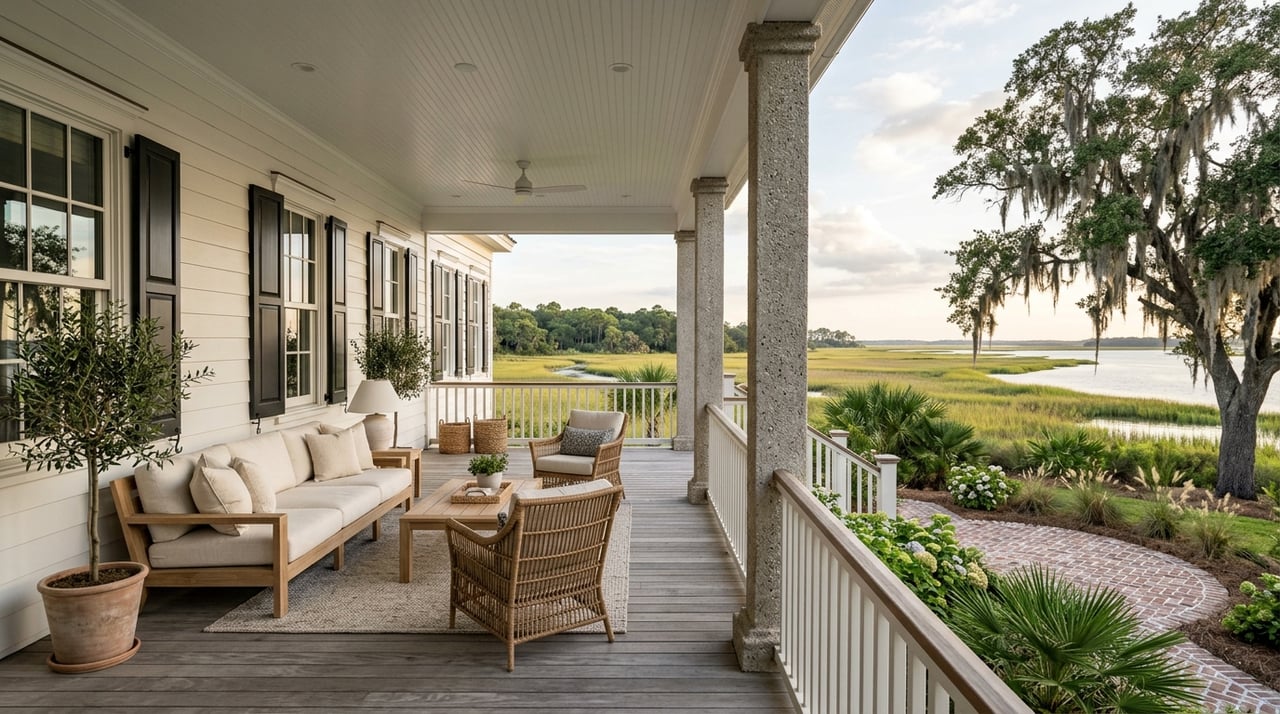
If you have been dreaming about a quieter coastal escape, Fripp Island likely checks a lot of boxes. It offers a private island setting, a long stretch of beach, and a pace that feels far removed from everyday noise. If you are thinking about buying a second home or retreat here, the key is knowing how the island really works before you buy. Let’s dive in.
Why Fripp Island Appeals
Fripp Island stands out as a private, gated barrier-island community in Beaufort County. According to the property owners association, public entry is prohibited, and visitors may need preauthorization to access the island. That private setting is a big part of the draw for buyers who want a retreat that feels tucked away.
The island also offers a strong sense of natural beauty. Resort and community materials note a 3.5-mile beach along with Audubon and wildlife-habitat designations. For many second-home buyers, that blend of shoreline, open space, and conservation-minded character helps Fripp feel like more than a vacation spot.
What Daily Life Looks Like
A second home should fit the way you actually want to spend your time. On Fripp Island, lifestyle is shaped heavily by the island’s amenities and the fact that it is a cart-only community.
The resort advertises two 18-hole golf courses, five outdoor pool complexes, a fitness center, multiple dining venues, a full-service marina with wet and dry slips, and a racquet club. For some buyers, those features make Fripp ideal for extended stays, seasonal living, or hosting family and friends.
That said, it is important not to assume every purchase includes full amenity use. Access is controlled through Club Guest Cards and is available to club members, resort-lodging guests, and club-card-holding guests. Before you buy, you should confirm exactly what access comes with the property you are considering.
Choosing the Right Property Type
Fripp Island offers a mix of homes, lots, condos, and villas. Current resort inventory also highlights options such as oceanfront, oceanview, beachfront, canal-front, and golf-cart-accessible properties. That variety gives you room to match your purchase to your goals.
If you want a low-maintenance retreat, a condo or villa may be the right fit. If you expect to host often, want more privacy, or plan to stay for longer stretches, a single-family home may give you the space and flexibility you need. Buyers also look at land if they want to create something more tailored over time.
The right choice often comes down to how you plan to use the property. A weekend getaway, a seasonal retreat, and a future full-time residence can each point to a different type of purchase.
Think Beyond the View
It is easy to focus first on water views or beach access. Those features matter, of course, but second-home buyers should also look at ownership logistics from day one.
Start with simple questions. How often will you be here? Will you host guests frequently? Do you want a lock-and-leave property, or are you comfortable with more upkeep? Your answers can help narrow the search much faster than aesthetics alone.
On a barrier island, practical details shape ownership just as much as location. The best purchase is usually the one that supports your routine, your budget, and your long-term plans with the fewest surprises.
Understand Fripp’s Rules and Governance
Fripp ownership comes with a structured framework. The resort operates amenities, while the property owners association governs community rules and enforcement. For a second-home buyer, that means you should understand both lifestyle perks and community requirements before closing.
The POA rules apply to owners, residents, occupants, visitors, guests, and tenants. Owners remain responsible for the conduct of family members, tenants, and guests. Vehicle access also requires gatehouse processing for those without valid access authority.
Golf-cart use is another important detail because Fripp is a cart-oriented community. The POA handbook covers golf-cart registration and licensed-driver requirements, which matters if you plan to have visiting family members or renters using the property. These rules are not minor fine print. They are part of everyday ownership.
If You Plan to Rent Part-Time
For some buyers, rental potential helps offset carrying costs. The resort describes Fripp as a sought-after rental destination and says about 25% of homeowners rent part-time. That does not guarantee rental income, but it does show that part-time renting is part of the island’s ownership picture.
If rental use is part of your plan, you should evaluate the property with that goal in mind from the start. Think about guest capacity, amenity access, parking and gate procedures, golf-cart compliance, and how easy the home will be to maintain between stays.
Most of all, treat community compliance as part of the rental model. On Fripp, owners remain responsible for guests and tenants. A well-chosen property paired with clear house rules can make a big difference in how smoothly part-time rental ownership works.
Taxes Can Affect the Numbers
When you buy a second home on Fripp Island, property taxes may look different from a primary residence. Beaufort County uses a 4% assessment ratio for owner-occupied legal residences and 6% for non-primary residences. If you are buying a retreat that will not be your legal residence, that distinction matters.
There may also be future planning opportunities if your second home later becomes your primary residence. South Carolina’s Homestead Exemption can fully exempt the first $50,000 in fair market value of a legal residence for homeowners age 65 and older, those who are totally and permanently disabled, or those who are legally blind. Eligibility and filing details should always be confirmed with Beaufort County before you rely on a lower tax outcome.
For many buyers, this is one of the most overlooked parts of the purchase. A home that looks ideal on paper can feel very different once carrying costs are fully understood.
Storm and Flood Planning Matter
Because Fripp Island is a barrier island, storm readiness should be part of your buying decision. Beaufort County advises residents to know their evacuation zone and have a plan in place. That is especially important if your property will sit vacant for stretches of the year.
You should also verify the flood zone for any home you are considering. FEMA guidance says flood insurance is required for homes in a Special Flood Hazard Area when the mortgage is government-backed. Even beyond lender requirements, insurance costs and storm planning should be part of your pre-purchase math.
A smart second-home purchase is not just about enjoying sunny weekends. It is also about understanding how the property performs during the times you are not there.
A Practical Buying Checklist
Before you move forward on a Fripp Island retreat, keep your focus on the details that shape ownership most:
- Confirm whether the property includes or supports the amenity access you want
- Review POA rules that apply to owners, guests, tenants, and vehicles
- Ask about golf-cart registration and driver requirements
- Compare property types based on maintenance, privacy, and hosting needs
- Verify whether part-time rental use fits your goals and the property setup
- Estimate taxes using non-primary residence assumptions unless confirmed otherwise
- Check flood-zone status, insurance costs, and evacuation planning
- Think through how often you will use the home now and in the future
Why Local Guidance Helps
Buying on Fripp Island is not the same as buying in a typical neighborhood. Here, privacy, access, amenities, governance, taxes, and storm planning all play a bigger role in the decision. That is why local context matters so much.
If you are buying from out of town, that local perspective becomes even more valuable. You want someone who can help you compare not just homes, but ownership experiences. The right guidance can help you avoid assumptions and focus on the retreat that truly fits your goals.
If you are considering a second home or coastal retreat on Fripp Island, Lloyd Williams can help you navigate the details with clear, local insight and a calm, tailored approach.
FAQs
What makes Fripp Island different for second-home buyers?
- Fripp Island is a private, gated barrier-island community where access, amenities, POA rules, and storm planning all play a bigger role in ownership than they might in a typical coastal market.
What property types are available on Fripp Island?
- Current resort real estate pages show a mix of homes, lots, condos, and villas, including options described as oceanfront, oceanview, beachfront, canal-front, and golf-cart-accessible.
What should buyers know about Fripp Island amenities?
- Buyers should confirm amenity access carefully because resort amenities are controlled through Club Guest Cards and access may vary depending on the property and ownership setup.
Can you rent out a second home on Fripp Island?
- Part-time renting is part of the market, and the resort says about 25% of homeowners rent part-time, but owners should review POA responsibilities and choose a property that supports smooth guest use and compliance.
How are second homes taxed in Beaufort County?
- Beaufort County uses a 6% assessment ratio for non-primary residences, while owner-occupied legal residences use a 4% assessment ratio.
What storm-related issues should Fripp Island buyers check?
- Buyers should verify a property’s flood zone, understand likely insurance costs, and make sure they know Beaufort County evacuation planning requirements for barrier-island properties.